
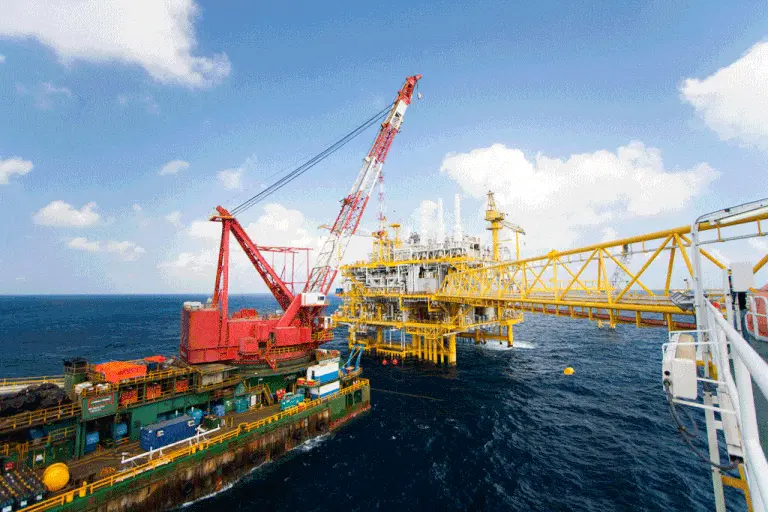
 The domestic shale boom that has dominated the U.S. oil and gas market in recent years has led larger energy companies to head onshore.
The largest lease holder in the Gulf of Mexico, BP, announced in March that it would be splitting off its onshore oil and gas assets into separate businesses to better capitalize on the U.S. shale exploration boom.
On June 30, 2014 Stone Energy Corp. of Lafayette, Louisiana sold some of its offshore Gulf of Mexico properties to Talos Energy of Houston for $200 million. In May 2014, Apache Energy sold two offshore deep water properties in the Gulf for $1.4 billion. Apache’s and other offshore company’s exit from the Gulf has allowed smaller offshore companies to enter the market.
LLOG Exploration Co. of Covington is one of these smaller companies exploring offshore drilling in the Gulf. The main barrier to some smaller companies like LLOG has been the expensive technology and regulatory compliance. These companies are attempting to enter the market and save money by streamlining development processes and cutting the time needed to get a commercially viable discovery into production.
Offshore workplace safety must never be sacrificed for the sake of speed. Offshore workers are exposed to potential dangers on a routine basis. If an offshore employer fails to implement the proper procedures and/or hire the necessary personnel to complete a job, the risk of injury can increase exponentially.
If you or a loved one has suffered an offshore injury, learn about your legal rights from an experienced Louisiana maritime injury attorney by filling out our free, no obligation case review form located on this website.
Other Offshore-Maritime Accidents News
Offshore injury claims are not limited to deepwater drilling accidents. Louisiana maritime workers injured on barges, tugboats, docks, and vessels may have important legal rights under federal law.
Offshore work is one of the most dangerous professions in the country, and workers and their families may not fully realize the risks until it’s too late.
Offshore accidents can cause irreversible injuries even if someone survives. If you or someone you know has been injured in an offshore accident, you may wonder if you should hire an offshore accident attorney.
One of the greatest risks of offshore injuries isn’t when workers are performing their duties – it’s when they are transported to offshore job sites. Reports show that most offshore worker fatalities occur during travel to and from work.
U.S. maritime law protects offshore workers on vessels flying an American flag, and legal recourse is available for injured workers or the families of those fatally injured. But what about employees on foreign-flagged ships, which lack American safety and liability requirements?
Understanding who qualifies as a seaman under the Jones Act is important because offshore workers are not covered by workers’ compensation. When an offshore accident happens, workers may be able to sue their employer for personal injuries under the Jones Act.