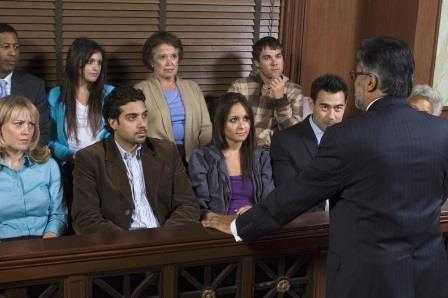
 A defendant is not always 100% at fault for an accident. Given the circumstances, a third party or even the plaintiff themselves could bear some of the responsibility for the accident or injury. A judge or jury in a Louisiana courtroom is responsible for apportioning the fault between the parties. While a difficult task, the fact finders are not left without any guidance.
The Louisiana Supreme Court has laid out five factors to guide the judge or jury in the allocation of the percentage of fault between the parties: (1) whether the conduct resulted from inadvertence or involved an awareness of the danger, (2) how great a risk was created by the conduct, (3) the significance of what was sought by the conduct, (4) the capacities of the actor, whether superior or inferior, and (5) any extenuating circumstances which might require the actor to proceed in haste, without proper thought. Besides these five, the relationship between the fault/negligent conduct and the harm to the plaintiff can also be a consideration in determining fault as well. Watson v. State Farm Fire & Cas. Ins. Co., 469 So.2d 967, 974 (La.1985). See also Thibodeaux v. Trahan, 2011-0382 (La. App. 3 Cir. 10/5/11), 74 So.3d 850.
With these elements as a template, Louisiana courtrooms can quickly and efficiently dispense fault to each relevant party, while also providing them the flexibility to take into consideration other circumstances relevant to the accident or injury.
If you or a loved one has been hurt in an accident, learn about your legal rights from an experienced New Orleans trial attorney by filling out our free, no obligation case review form located on this website.
Other Personal Injury News
Sitting duck truck accidents happen when vehicles collide with commercial trucks stopped on the side of a road. These crashes often cause catastrophic injuries. Learn why they occur, how liability is determined, and what victims should know after a parked truck crash.
Louisiana lineworkers face serious risks restoring power after storms. When negligence contributes to an electrical accident, injured workers and families may have legal options to pursue compensation.
New Louisiana laws taking effect in 2026 change comparative fault rules and limit recoverable medical expenses in personal injury cases. Learn how this affects your rights and why working with an experienced Louisiana personal injury attorney is more important than ever.
The Louisiana Legislature has passed a ban on kratom. Despite divided opinions, SB154 passed with bipartisan support, reflecting rising concern over kratom’s growing toll on Louisiana residents.
For burn injury survivors finding a support system can transform despair and hopelessness into a brighter future. Non-profit organizations like the Phoenix Society can provide emotional, educational, and community support.
As more local governments in Louisiana and throughout the country realize the dangers of kratom, officials are moving to regulate its use or even ban it altogether.