Every hurricane season reminds Louisiana residents that recovering from a major storm involves far more than clearing debris and making repairs. For many homeowners and business owners, the greatest challenge begins after the storm passes—navigating the insurance claims process.
Even when a property owner has faithfully paid insurance premiums for years, obtaining fair compensation is not always straightforward. Claims may be delayed, underestimated, partially denied, or complicated by disagreements over whether wind, flooding, or pre-existing conditions caused damage. In recent years, these challenges have become even more significant as insurers have left Louisiana, premiums have increased, and policyholders have faced a more complex insurance market.
At Herman, Katz, Gisleson & Cain, our attorneys have represented Louisiana clients through some of the state’s most devastating hurricanes. We understand that storm recovery often involves complicated legal and insurance issues, not just property repairs. While every claim is unique, avoiding several common mistakes can help protect your rights and improve your ability to recover after a hurricane.
What You’ll Learn
In this article, you’ll learn:
- How to avoid common mistakes that can delay or reduce your hurricane insurance claim.
- Why proper documentation is one of the most important parts of the claims process.
- What to know about hidden damage, insurance coverage disputes, and business losses.
- When legal guidance may help protect your rights after a Louisiana hurricane.
Mistake #1: Waiting Too Long to Document the Damage
After a hurricane, the priority is always safety. However, once you can return to your property, document the damage as quickly as possible.
Photographs and videos taken immediately after the storm often become some of the most important evidence in an insurance claim. They can help establish the condition of your home or business before temporary hurricane repairs begin and before additional weather or cleanup activities change the scene.
It’s also helpful to save damaged personal property whenever possible, keep receipts for emergency repairs, and maintain records of hotel stays, temporary housing, generator use, and other expenses related to the storm.
Strong documentation often makes it much easier to resolve a claim if questions arise later.
Mistake #2: Assuming Every Type of Hurricane Damage Is Covered
Many Louisiana property owners are surprised to learn that hurricane damage isn’t always covered under a single insurance policy. Depending on the circumstances, losses may involve wind damage, flooding, storm surge, sewer backups, fallen trees, or business interruption. Different deductibles, exclusions, and coverage limits may apply to each type of loss.
One of the biggest sources of post-hurricane disputes involves determining what caused the damage in the first place. Insurance companies may attribute losses to flooding when a homeowner believes wind caused the damage first, or vice versa.
Understanding your policy before accepting an insurer’s explanation can help prevent costly misunderstandings.
Mistake #3: Believing the First Inspection Tells the Whole Story
Hurricane damage is not always immediately visible. Roof leaks may not appear until weeks later. Moisture trapped inside walls can lead to mold. Structural damage, electrical problems, or foundation movement sometimes become apparent only after contractors begin repairs.
An initial inspection is only one step in the claims process. If additional damage is discovered later, property owners should continue documenting the issues and promptly notify their insurance company.
A claim should reflect the full extent of covered damage and not just what was visible on the first day.
Mistake #4: Failing to Keep Good Records
Recovering after a hurricane can quickly become overwhelming. Between contractors, insurance adjusters, temporary housing, and repair estimates, paperwork accumulates rapidly. Keeping organized records can make a significant difference if questions arise later.
Maintaining copies of correspondence, claim numbers, inspection reports, repair estimates, invoices, photographs, and receipts creates a clear timeline of the claim and may help resolve disputes more efficiently.
Good recordkeeping also demonstrates the steps a property owner has taken to mitigate further damage, a requirement of many insurance policies.
Mistake #5: Accepting a Settlement Before Understanding the Full Damage
After weeks or months of disruption, accepting the first settlement offer can be tempting. However, once repairs begin, contractors sometimes uncover additional structural damage, water intrusion, or hidden issues that were not included in the original estimate.
Before accepting a final payment or signing documents that release additional claims, property owners should understand whether the proposed settlement fully addresses the damage and whether future repairs may reveal additional covered losses.
Taking the time to ask questions now may prevent much larger problems later.
Mistake #6: Overlooking Business Losses
For Louisiana businesses, hurricane damage extends well beyond damaged buildings. Storms may interrupt operations, destroy inventory, delay shipments, force temporary closures, or prevent employees from returning to work. Commercial insurance policies often include unique provisions regarding business interruption, extra expenses, and property damage that differ from those in residential policies.
Business owners should carefully document lost income, additional operating expenses, and repair costs while reviewing the specific protections provided under their commercial insurance coverage.
Mistake #7: Assuming Every Hurricane Claim Is Only an Insurance Issue
Insurance companies aren’t always the only parties involved after a hurricane. Some losses may involve negligent construction, defective roofing materials, unsafe conditions at commercial properties, utility failures, or other third parties whose actions contributed to the damage.
For example, improperly installed roofing systems or construction defects may allow hurricane-force winds or rain to cause significantly greater damage than a properly built structure would have sustained. In other situations, disputes may arise over contractor performance during repairs or rebuilding.
Understanding whether another party shares legal responsibility is an important part of evaluating the full scope of a potential claim.
Mistake #8: Waiting Too Long to Seek Legal Guidance
Not every hurricane insurance claim requires an attorney.
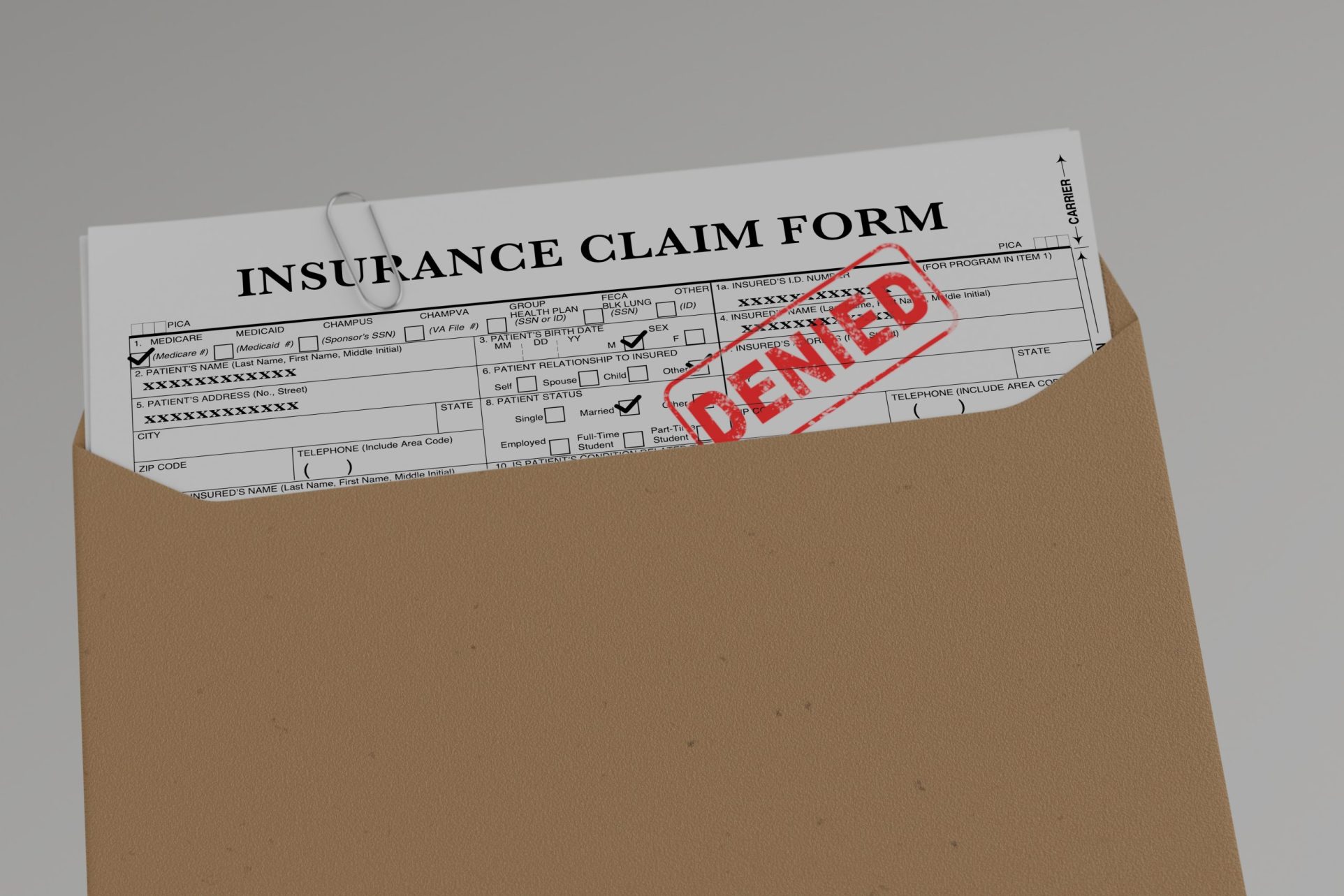
Many claims are resolved fairly and efficiently. However, when payments are delayed, coverage is disputed, damages are undervalued, or insurers fail to honor their obligations, hiring a Louisiana hurricane attorney can be an important step in protecting your interests.
The earlier potential legal issues are identified, the easier it may be to preserve evidence, evaluate coverage questions, and address disputes before they become more complicated.
Louisiana’s Hurricane Insurance Challenges Continue to Evolve
Louisiana’s property insurance market has changed dramatically over the past several years. Repeated hurricanes, rising rebuilding costs, insurer insolvencies, and increasing reinsurance expenses have contributed to higher premiums and fewer insurance options for many property owners.
Unfortunately, higher premiums don’t always translate into smoother claims experiences after a natural disaster. As insurance policies become more complex, it’s important for homeowners and businesses to understand their coverage before the next storm arrives and to carefully document any losses if one occurs.
Why Louisiana Property Owners Trust Herman, Katz, Gisleson & Cain
For decades, Herman, Katz, Gisleson & Cain has represented individuals, families, and businesses in Louisiana in complex litigation arising from catastrophic events, including hurricanes and other natural disasters. Our attorneys understand that storm-related disputes often involve far more than repairing damaged property. Insurance coverage questions, business interruption losses, construction issues, and other legal challenges can significantly affect a family’s or company’s ability to recover. Our goal is to help Louisiana residents understand their rights and pursue the recovery they deserve.
If your hurricane insurance claim has been delayed, undervalued, or unfairly denied, or if you have questions about hurricane-related property damage or business losses, contact Herman, Katz, Gisleson & Cain online, via live chat, or by calling 1-844-943-7627 to discuss your legal options.
Other Hurricanes & Disasters News
If you have not done so already, it’s time to get ready for hurricane season. Let’s explore important hurricane tips such as property insurance, supplies, and evacuation plans further.
You may never have considered hiring a Louisiana hurricane attorney after a storm, but it can be invaluable. They can stand up to insurance companies and get the settlement you need to restore your property.
Our team of hurricane damage attorneys has leveraged their skills and expertise to successfully represent Louisiana homeowners and business owners in hurricane damage claims and lawsuits.
With the 17th anniversary of Hurricane Katrina, one crucial lesson everyone must take to heart is the importance of property insurance in Louisiana.
Insurance companies going out of business and skyrocketing premiums as insurers raise their rates in anticipation of hurricane season are some of the issues Louisiana homeowners are facing.
During Louisiana hurricane season, damage to homes, businesses, infrastructure, and the environment can be extensive. Being hurricane ready includes preparations before a storm and knowing what to do after the storm passes to ensure you receive the insurance payout you’re entitled to. This is called property damage mitigation.