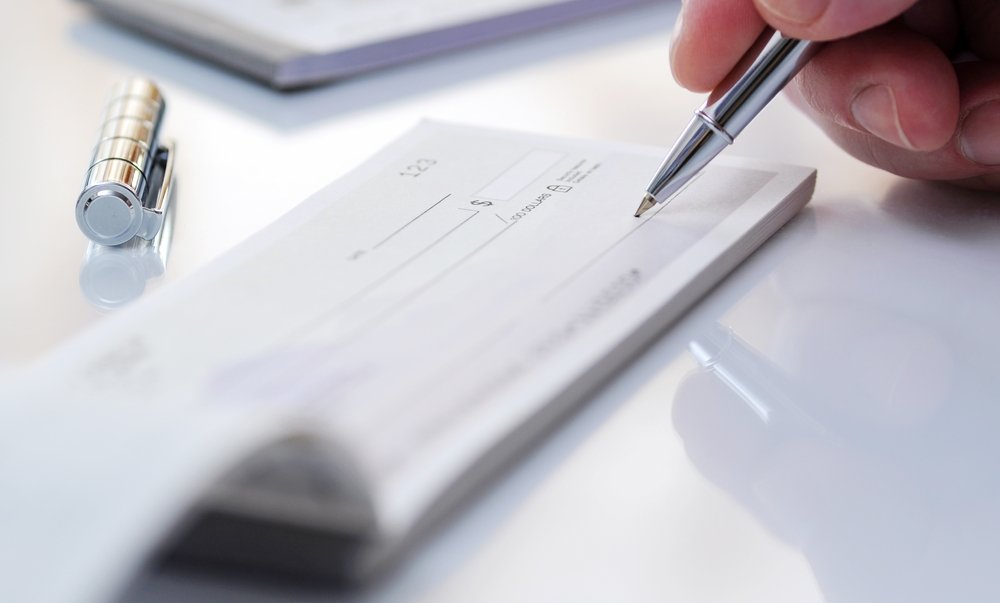
 According to the study by the payments company ACI Worldwide and the Aite Group research firm, the U.S. ties with India as the country with the third-highest card fraud rate over the last five years. However, while cyber crimes like credit card data theft and identify theft may make the headlines, old-school scams are returning. For instance, in Louisiana, check fraud is one of the oldest forms of payment fraud and it isn’t going away. One reason for its persistence is that scammers do not have to be sophisticated to pull off this type of fraud.
In a 2013 Payments Fraud and Control survey, approximately 87% of financial professionals indicated that their companies had experienced some sort of check fraud. With billions of checks processed every year, eliminating such fraud entirely has become impossible.
So what can you do to prevent check fraud from happening to you or your business? I suppose you could stop using checks altogether, but that is not an option for all Louisiana businesses and individuals. While account holders should always keep checks in a secure location and should not include personal data on checks, one of the easiest and most effective ways to protect yourself or your business from check fraud is to consistently review your monthly bank statements for any fraudulent activity.
Reviewing bank statements is not only a smart and effective tool to prevent fraud, but also an account holder’s duty. Under Louisiana law, account holders have a duty to review their statements timely, generally within about 30 days of the bank’s mailing a statement. If the account holder fails to review his or her statement and does not notify the bank of a forgery appearing on such statement, the holder will not be able to challenge forged checks by the same wrongdoer the bank may later pay in good faith. Simply put, the account holder’s negligence in failing to review the statement will be seen as contributing to the ongoing fraud or forgery. Further, account holders have one (1) year to assert any forgery or fraud found on their bank statements.
If you have a claim regarding check fraud, you can learn about your legal rights from an experienced New Orleans business attorney by filling out our free, no obligation case review form located on this website.
Practice Area
Sitting duck truck accidents happen when vehicles collide with commercial trucks stopped on the side of a road. These crashes often cause catastrophic injuries. Learn why they occur, how liability is determined, and what victims should know after a parked truck crash.
Louisiana lineworkers face serious risks restoring power after storms. When negligence contributes to an electrical accident, injured workers and families may have legal options to pursue compensation.
New Louisiana laws taking effect in 2026 change comparative fault rules and limit recoverable medical expenses in personal injury cases. Learn how this affects your rights and why working with an experienced Louisiana personal injury attorney is more important than ever.
A federal judge has approved a $230 million settlement in the New Orleans Archdiocese clergy sex abuse bankruptcy. This article explains what the settlement means, how Louisiana’s lookback law changed the case, and what survivors should know now.
Nursing home fraud is more than a paperwork issue—it causes real harm to residents, families, and the public programs that fund essential care.
College should be a time for growth, discovery, and opportunity, but the reality is that sexual violence remains a serious issue on campuses.